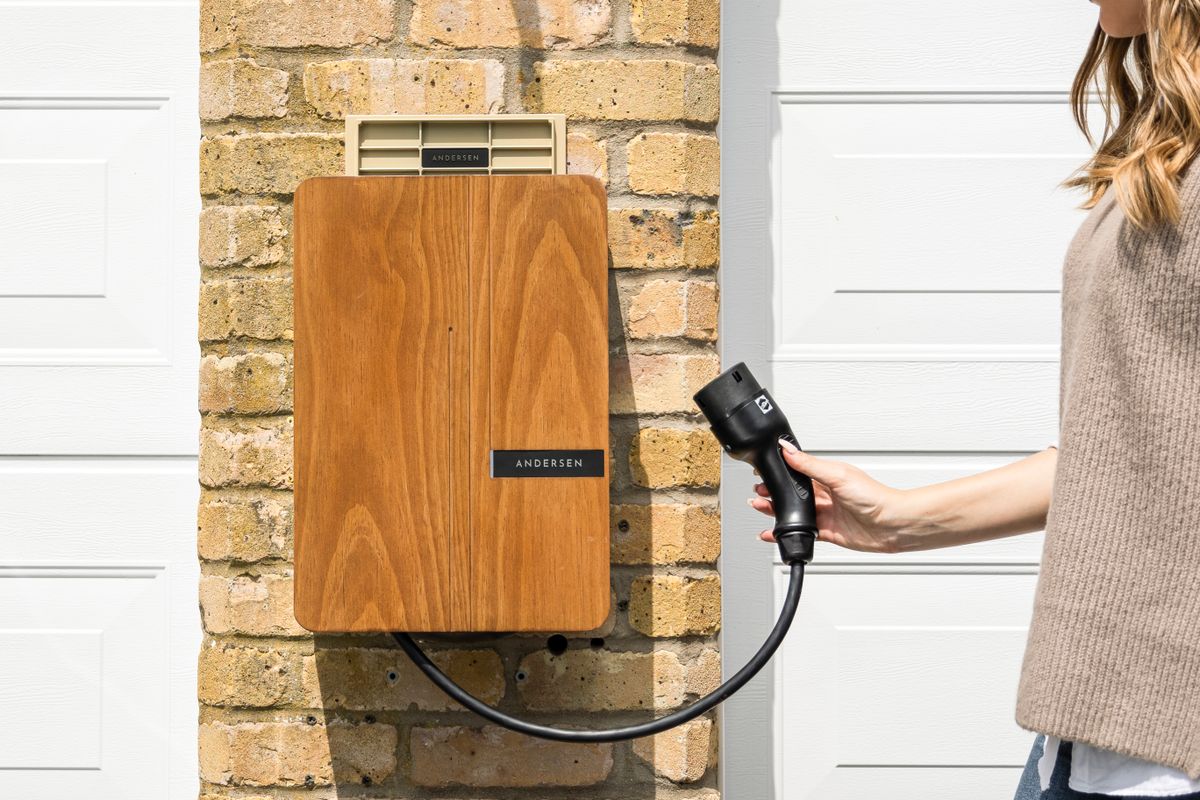
Two EV owners install the exact same Level 2 home charger. One files a claim after a lightning strike fries the unit and gets paid out within two weeks. The other files an almost identical claim and gets denied. The difference usually isn’t luck — it’s whether the charger was properly declared, permanently installed, and covered under the right part of the policy.
According to industry guidance from insurers including Liberty Mutual and Allstate, a permanently installed home charger is typically treated as part of your dwelling or personal property, and is covered under homeowners insurance when damaged by a covered peril like fire, lightning, or vandalism — subject to your deductible and policy limits. That’s the good news. But “typically” and “permanently installed” are both doing a lot of work in that sentence, and that’s where most owners get caught out.
The two conditions that actually decide it
Coverage generally comes down to two things: installation type, and whether the damage came from the home side or the vehicle side.
- Permanently installed (hardwired Level 2 charger): Usually covered under homeowners insurance as a fixture, similar to a water heater or HVAC unit.
- Portable Level 1 charger you plug in and unplug: More likely to be treated as personal property or, in some cases, as vehicle equipment — which can fall into a gap between home and auto policy.
- Damage caused by your home’s electrical system (a wiring fault, a power surge, a storm): Homeowners insurance territory.
- Damage caused by your vehicle (backing into the charger, a collision with the unit): Your auto policy’s collision coverage is more likely to apply.
Why some claims still get denied
Even a permanently installed charger can run into trouble if:
- It was never declared to the insurer. Adding a charger is an electrical modification to your home — insurers generally expect you to report it, and an undeclared charger can complicate a claim.
- It gets misclassified as “automotive equipment.” Some adjusters initially treat charging equipment as an extension of the vehicle rather than the home, especially if the paperwork doesn’t clearly document it as a fixed installation.
- State rules require specific coverage you don’t have. California and Oregon, for example, require homeowners and condo associations to carry liability coverage for EV charging stations — meaning “having home insurance” isn’t automatically the same as “having the right home insurance” everywhere else.
A simple way to check where you stand
If you answered “no” or “not sure” to #1 or #2, that’s the gap worth closing before you ever need to file a claim.
Frequently asked questions
Does auto insurance ever cover a home charger? Generally no — if your home charging station is damaged by fire, weather, or a similar event, that’s a homeowners/renters insurance claim, not an auto insurance claim. Auto insurance becomes relevant mainly when your vehicle itself causes the damage.
Do I need to tell my insurer I installed a charger? Yes. Since it’s an electrical modification to your home, most insurers expect it to be disclosed, and it may affect your dwelling coverage limits.
Is a portable Level 1 charger treated differently? Often, yes — since it isn’t a fixed installation, it’s more likely to be treated as personal property, and coverage can be murkier than for a hardwired Level 2 unit.
Sources
- Liberty Mutual — EV battery & charging equipment: what insurance covers
- Allstate — EV charging station coverage
- TD Insurance — Does home insurance cover an EV charger?
- JD Power — U.S. Electric Vehicle Experience (EVX) Home Charging Study (cited via SmartFinancial)
This article is for educational purposes only and is not professional insurance advice. Coverage varies by state, insurer, and policy — confirm your own coverage directly with your insurance provider.