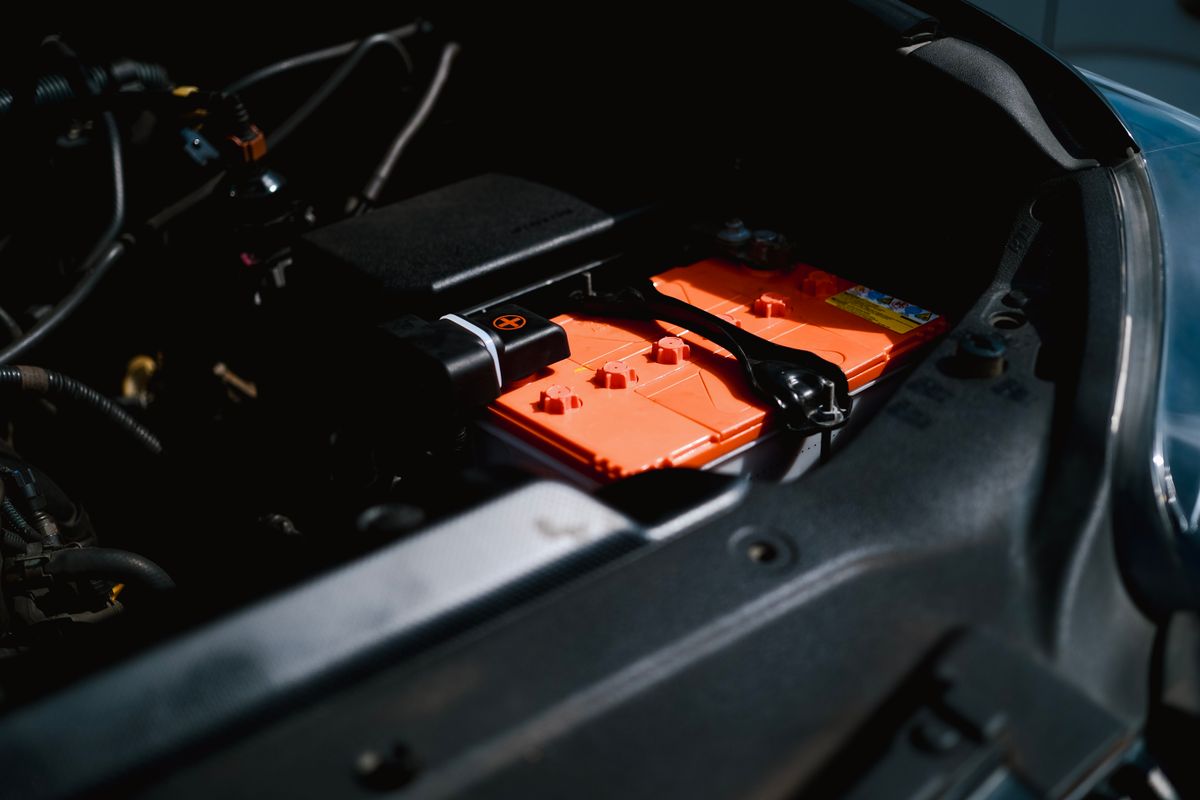
An EV battery pack can cost more to replace than most people paid for their first car — real quotes typically run $5,000 to $16,000, depending on the vehicle. So it’s a reasonable question to panic about: if it fails, is that covered?
The short answer, confirmed consistently across insurers including Liberty Mutual and industry guidance cited by Experian: yes, if the damage comes from a covered event — no, if it’s just the battery wearing out. That single distinction — cause of damage — decides almost every case.
What’s actually covered
| Cause of battery damage | Typically covered? |
|---|---|
| Collision (accident damages the battery) | Yes — under collision coverage |
| Fire or explosion | Yes — under comprehensive coverage |
| Theft of the vehicle or battery | Yes — under comprehensive coverage |
| Vandalism or falling objects | Yes — under comprehensive coverage |
| Certain weather events (flooding, storms) | Often yes — under comprehensive coverage |
| Normal age-related capacity loss | No — treated as wear and tear |
| Manufacturer defect | No — a warranty issue, not an insurance issue |
Why “wear and tear” gets excluded
Every auto insurance policy — for gas cars and EVs alike — excludes routine maintenance and gradual deterioration. A gas car’s battery, tires, and brake pads wear down with normal use; insurers treat this as an ownership cost, not an insurable loss. EV battery capacity loss over time falls into exactly the same category. It’s predictable, gradual, and something every owner experiences — which is precisely why insurers don’t treat it as a covered “loss” the way a collision is.
This is also why the manufacturer’s battery warranty — typically 8 years or 100,000 miles, whichever comes first — exists as a separate safety net. Warranty and insurance are solving two different problems: one covers defects and premature failure, the other covers sudden, accidental damage.
Where people get caught out
The two most common real-world denial scenarios:
- Assuming “comprehensive coverage” means “everything.” Comprehensive covers a specific, defined list of perils (theft, fire, weather, vandalism) — not general deterioration, no matter how sudden it feels to the owner.
- Confusing home charger damage with vehicle battery damage. These are two entirely separate coverage questions — if you’re also unsure whether your home charging equipment is covered, we’ve broken that down separately, since it runs through homeowners insurance, not your auto policy.
Frequently asked questions
Does comprehensive coverage automatically include battery damage? Yes, for the specific covered perils (fire, theft, vandalism, weather, falling objects) — but not for degradation or mechanical failure unrelated to one of those events.
What if my battery fails just after the warranty expires? This is a real gap many owners fall into. If it’s degradation-related failure, neither the (expired) warranty nor your auto insurance is likely to cover it — which is why some owners consider extended battery protection plans, covered in a separate guide.
Does filing a battery claim raise my premium? Filing any claim can affect your rate, depending on your insurer and state. A single accident-related claim typically has less long-term impact than multiple claims in a short period.
Sources
- Experian — Does Car Insurance Cover Battery Replacement?
- Liberty Mutual — EV battery & charging equipment: what insurance covers in 2026
This article is for educational purposes only and is not professional insurance advice. Coverage varies by state, insurer, and policy — confirm your own coverage directly with your insurance provider.